

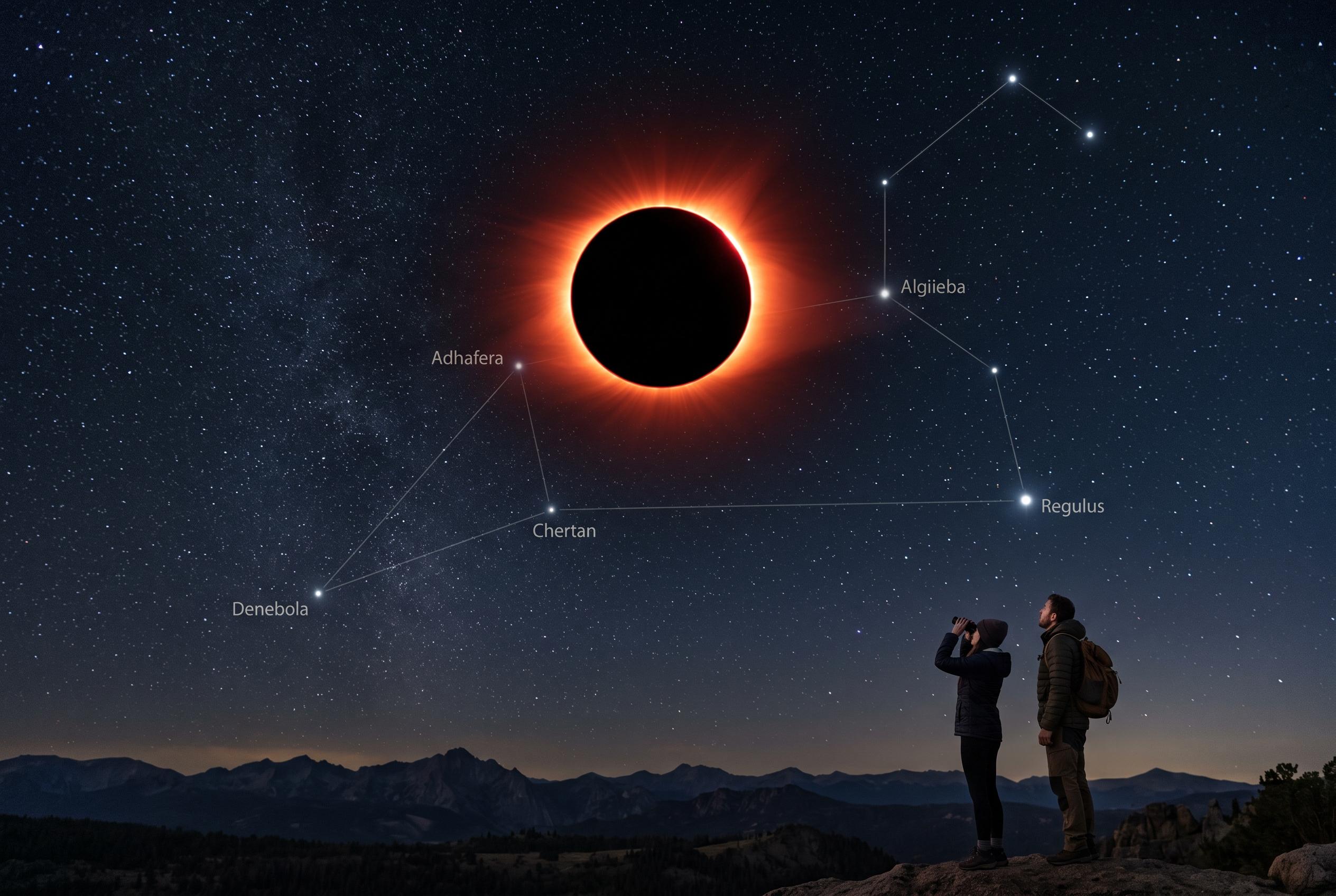

The August 2026 total solar eclipse in Leo offers a rare opportunity to embrace authenticity, creativity, and self-expression amidst dazzling cosmic displays, urging us to focus inwardly rather than for applause.
The total solar eclipse on August 12, 2026, arrives in Leo, and the symbolism is hard to miss: this is the sign associated with confidence, visibility, creativity and the urge to be fully, unapologetically yourself. In the original Big Sky Astrology piece, April Elliott Kent describes the moment as a kind of reset, one that asks people to stop living for applause and start listening for something steadier, truer and more internal.
That idea lands especially well because this eclipse is not just an abstract cosmic talking point. Space.com says the path of totality will sweep across eastern Greenland, western Iceland, northern Spain and the Balearic Islands, while much of Europe, including the UK, will see only a partial eclipse. In other words, only a narrow strip gets the full drama, but a far wider audience still gets a visible reminder that the sky can be weird and wonderful in a hurry.
And there is a lot to look for. According to Space.com, totality can reveal the sun’s corona, Baily’s beads, the diamond ring effect and shadow bands, while temperatures may dip and the light can take on an eerie, 360-degree sunset quality. The eclipse also arrives near the peak of the Perseid meteor shower, which gives sky-watchers an extra bit of celestial theatre if the conditions cooperate.
Astrologically, several sources frame this as a turning-point eclipse rather than a one-off event. Cafe Astrology notes that it is a Leo new moon eclipse and part of a broader Leo-Aquarius storyline, with themes around creativity, romance, play, confidence and self-expression. Mia Astrology goes further, suggesting that this eclipse may expose where people have been performing rather than living from the heart, which fits neatly with Leo’s reputation for wanting authenticity over borrowed shine.
That is also where Kent’s more reflective tone becomes useful. Her essay does not treat creativity as fluffy or frivolous; instead, it presents it as a form of resistance, a way of staying awake and connected when the world feels noisy or harsh. The eclipse message, then, is less “be dazzling” than “be real”. Make something. Light a candle. Pay attention to what feels alive. The point is not perfection, but presence.
Disclaimer: This content is intended for informational purposes only. Readers are advised to exercise their own judgement, conduct due diligence, or consult a qualified expert before acting on any information provided.