

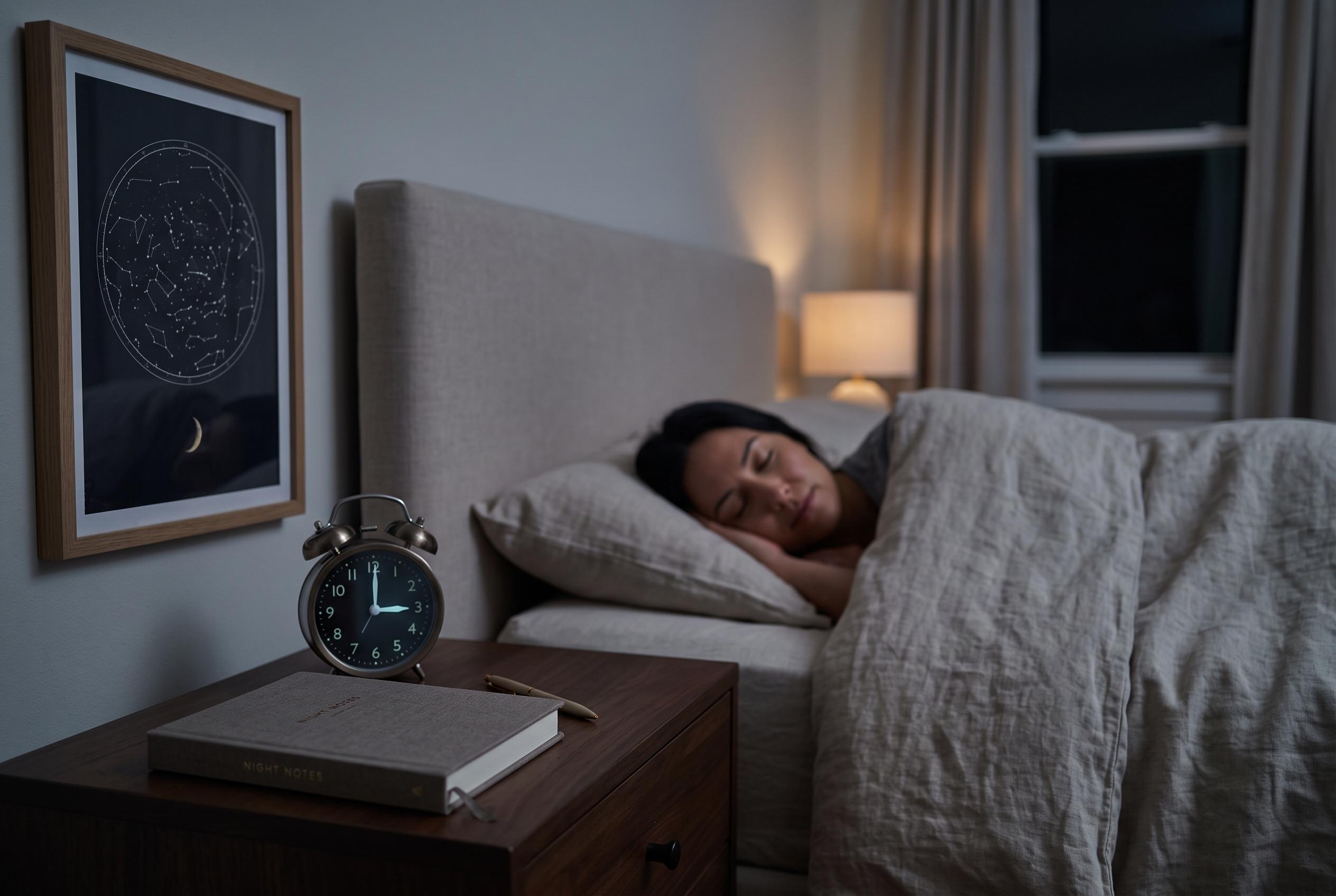

Frequent 3 a.m. awakenings could be less about personal flaws and more about natural body rhythms, stress, and even astrological influences. Experts recommend simple routines and curiosity over worry to improve restful sleep.
If you keep finding yourself wide awake at 3 a.m., it may not be a personal flaw so much as a messy little mix of body rhythms, stress and the kind of thoughts that only seem to show up when the house is silent. Sleep experts cited by Healthline, the Sleep Foundation and Cleveland Clinic say these middle-of-the-night wake-ups can be linked to sleep-cycle changes, anxiety, noise, illness or just a badly timed dose of overthinking. In other words, the clock is often just the messenger.
That is also why astrology readers keep circling back to the same question: why does the same hour seem to unlock the same emotional spiral? In this reading, the signs do not cause insomnia, but they can describe the flavour of it. Fire signs such as Aries, Leo and Sagittarius may feel mentally revved up long after the day is over. Earth signs can lie awake when money, security or tomorrow’s to-do list starts tapping on the window. Water signs often absorb the emotional atmosphere around them, while air signs tend to keep running conversations in their heads.
The astrological chart adds another layer. In this kind of interpretation, the Moon is associated with mood and nighttime instinct, Mercury with the busy mind and the 12th house with what is hidden or unprocessed. So if your chart leans towards hard aspects involving those placements, the theory goes, bedtime may become the one moment when the day finally catches up with you. That is astrology as a pattern-finder, not a diagnosis, but it can still be a useful prompt to notice what you avoid feeling before sleep.
The practical advice, though, is far less mystical: get curious about the pattern instead of fighting it. Sleep specialists commonly recommend a steady bedtime, a dark and quiet bedroom and stress management before bed. If you wake and cannot drift off again, the usual guidance is to keep stimulation low, get out of bed after about 20 minutes and return only once sleepiness comes back. That helps train the brain to link the bed with rest rather than worry.
Some newer sleep advice even gets surprisingly simple. Tom’s Guide recently highlighted an expert-backed technique called the “fake blink”, which involves slow, gentle blinking for about 30 seconds to reduce stimulation and settle racing thoughts. It is not magic, but it fits the same basic idea behind most good sleep habits: make the room boring enough for the nervous system to stand down.
So if 3 a.m. keeps calling your name, the takeaway is fairly human: your body may be asking for less drama, not more self-blame. Astrology can offer a playful map of the kind of stress you carry, but the reset usually comes from ordinary things such as routine, a calmer sleep space and paying attention to what you keep pushing aside during the day. If the wake-ups are frequent or long-lasting, the sensible move is still to check in with a healthcare professional.
Disclaimer: This content is intended for informational purposes only. Readers are advised to exercise their own judgement, conduct due diligence, or consult a qualified expert before acting on any information provided.