

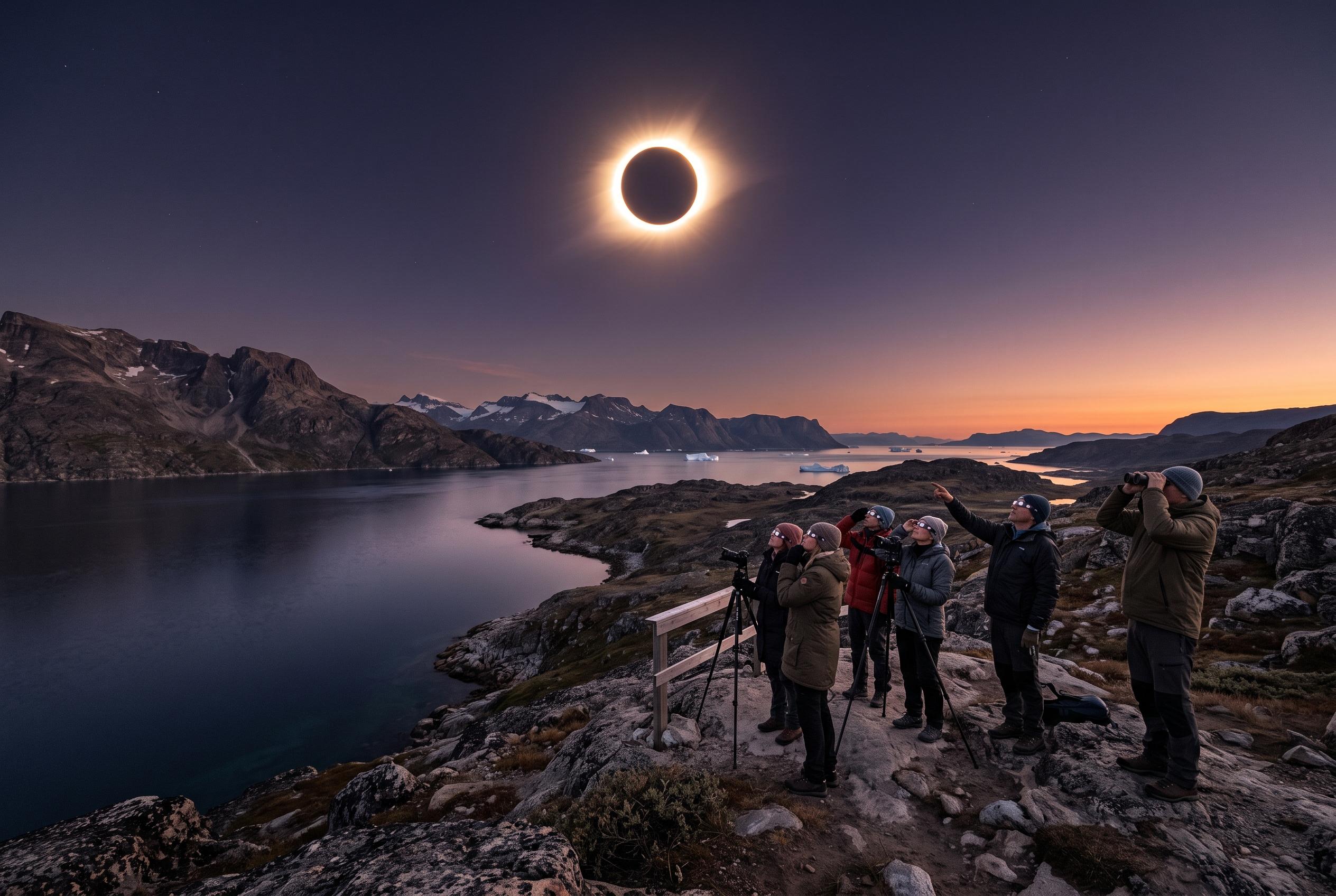

The upcoming 12 August 2026 solar eclipse will not impact religious practices in India, where customary Sutak restrictions are not observed. The event promises stunning views in parts of Europe, North America, and Greenland, with a ‘ring of fire’ spectacle during the twilight of Solar Cycle 25.
A solar eclipse is due on 12 August 2026, and for people in India the big practical takeaway is simple: it will not be visible there, so the usual Sutak restrictions do not apply. According to the ABP Live report, the eclipse falls on Hariyali Amavasya in the Shravan month and is happening at night in Indian Standard Time, which is why temples are expected to stay open and routine rituals can go ahead as normal.
That matters because eclipse observance in India is often as much about custom as skywatching. Ajmer-based astrologer and tarot card reader Nitika Sharma, quoted by ABP Live, said bathing, donations, ancestor rites, tree planting and worship of Lord Shiva can all be performed normally on the day in India. In other words, if you are in India, this is one of those celestial events where the sky has a story, but not one that changes the local religious calendar.
Astronomy-wise, though, this is the sort of eclipse that grabs attention. Space.com says the event will be a total solar eclipse in some locations and an annular one in others, producing the dramatic “ring of fire” effect. It notes that the eclipse comes during the declining phase of Solar Cycle 25, and observers in places such as Greenland, Iceland and Spain may see striking details in the Sun’s corona, including streamers, spikes and possibly red prominences.
The visibility map is wide but uneven. Timeanddate.com and the eclipse listings cited by Wikipedia place total visibility across Greenland, Iceland and parts of Spain, with partial views across much of Europe, North America and western Africa. ABP Live adds the astrological framing used by Sharma, who says the eclipse falls in Cancer and Ashlesha Nakshatra with Jupiter also in Cancer; whether readers treat that as symbolism or just colourful context, it does give the date an extra bit of mystique.
Disclaimer: This content is intended for informational purposes only. Readers are advised to exercise their own judgement, conduct due diligence, or consult a qualified expert before acting on any information provided.