

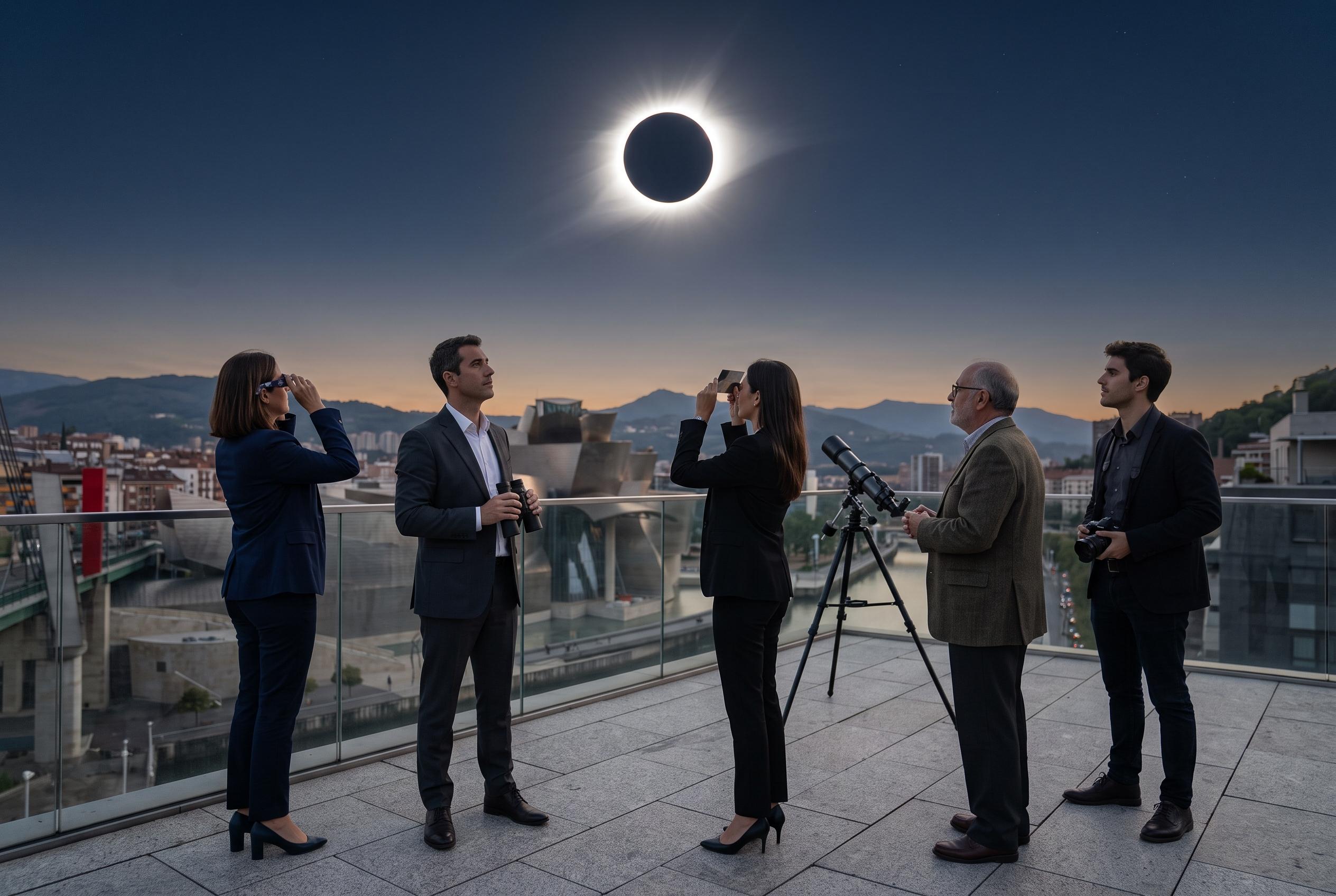

The upcoming solar eclipse on August 12, 2026, not only offers spectacular astronomical sights but also coincides with heightened political tensions in India and astrological forecasts that suggest shifts in power and public mood, making it a multifaceted celestial event.
The second solar eclipse of 2026 lands on August 12, and it has already become one of those sky events that pulls in both stargazers and star-readers. NASA says the total eclipse will sweep across Greenland, Iceland, northern Russia, Spain and a small stretch of Portugal, with a partial eclipse visible across much of Europe, Africa and North America. India, however, will sit outside the visibility zone, so people there will not be able to watch it directly.
Astrologically, the moment is being treated as more than a simple darkening of the Sun. In the traditional framework, the Sun stands for vitality, authority and leadership, so eclipse season often gets linked with shifts in power, public life and decision-making. Aaj Tak quoted astrologers saying the event could bring pressure for those in high office, while some interpretations also place India itself under the influence of Cancer, which is why states such as Maharashtra, Tamil Nadu, Odisha and Bengal are being mentioned so often in the forecasts.
That is where the story gets especially lively in Maharashtra, where the eclipse chatter is overlapping with real-world tension. The News18 summary says the state is already dealing with political friction inside the NCP, including a challenge to Sunil Tatkare’s reappointment as state president, while poll strategist-turned-politician Prashant Kishor has reportedly added to the pressure by suggesting a change in leadership. On top of that, the India Meteorological Department has forecast fresh heavy rain for parts of the state, and Mumbai has just faced a deadly landslide in Ghatkopar, which has sharpened attention on monsoon risks regardless of what the stars are saying.
Astrologers are also watching Jupiter and Saturn, which they say colour the mood of the eclipse chart. Jupiter is described as rising in Cancer and Saturn as retrograde in Pisces, a combination some readers of the sky see as a signal for caution, discipline and a more careful approach to public affairs. For individual horoscopes, the advice is fairly classic: Virgo, Libra and Aquarius are being cast as the more favoured signs, while Aries, Gemini, Cancer, Leo, Scorpio, Sagittarius, Capricorn and Pisces are told to tread more carefully.
For anyone looking at the event more practically, the science is much less mystical and much clearer. NASA explains that a solar eclipse happens when the Moon moves between the Sun and Earth, and during this one totality will last for less than two and a half minutes even near the centre of the path. Space.com notes that observers in the right places may catch the corona, the diamond ring effect and Baily’s beads, while photographers are also eyeing the coincidence with the Perseid meteor shower. And if you are anywhere in the viewing zone, the usual safety rule still applies: never look at the Sun without proper solar filters or certified eclipse glasses.
Disclaimer: This content is intended for informational purposes only. Readers are advised to exercise their own judgement, conduct due diligence, or consult a qualified expert before acting on any information provided.