

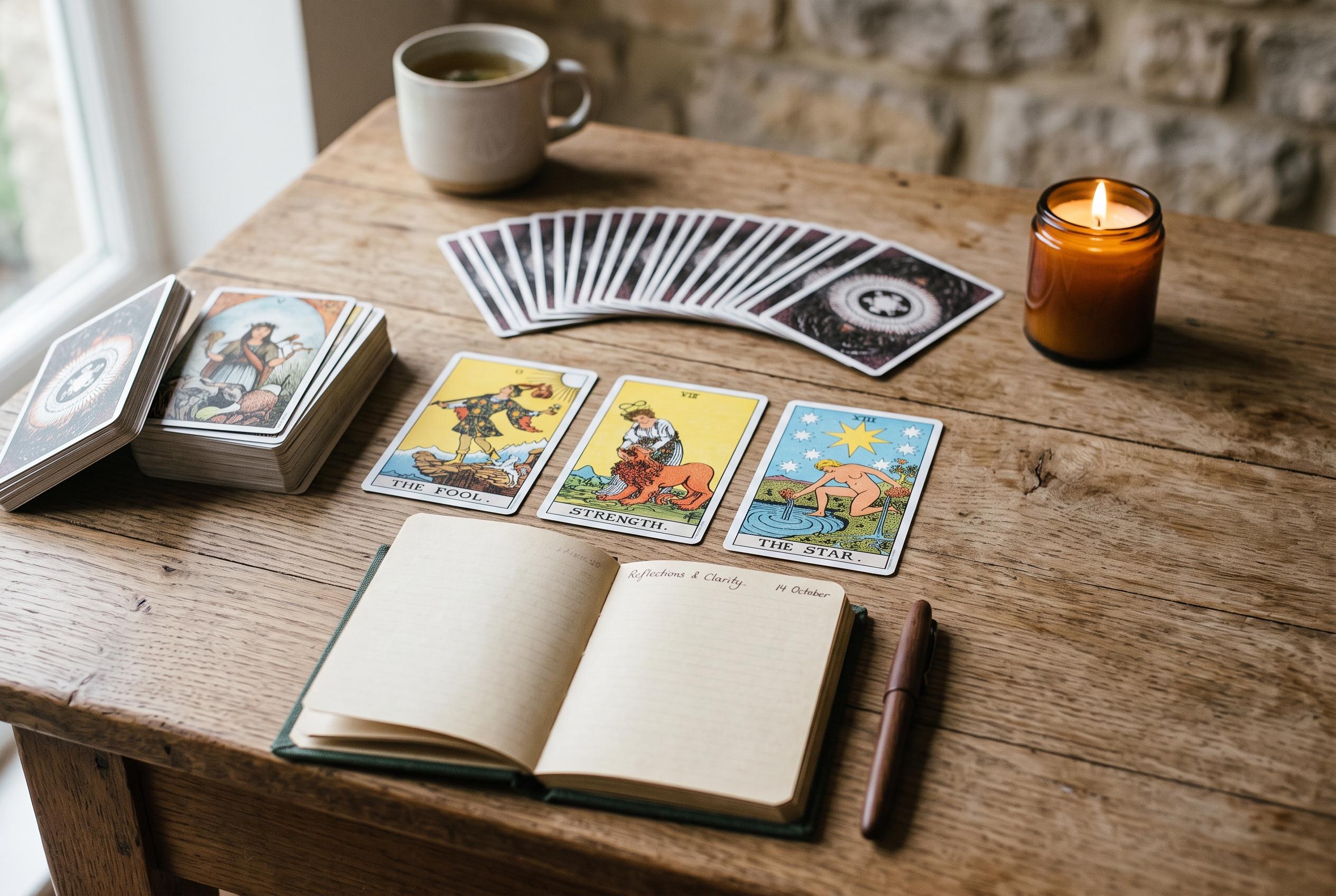

While not predictive, tarot cards offer a valuable tool for emotional clarity, self-awareness, and thoughtful decision-making during times of uncertainty and change.
Tarot can be surprisingly useful when life feels a bit wobbly. If you are stuck between staying put and making a change, a reading may not hand you a tidy answer, but it can help you slow down, see the shape of the problem and notice what you already suspect.
That is one reason tarot appeals to people facing awkward crossroads. Psychics Sofa says tarot can bring clarity, reveal hidden influences and help with decisions around relationships, work and uncertainty. In that sense, the cards are less like a prophecy machine and more like a prompt for honest reflection.
For many people, the real benefit is emotional breathing room. Tell a Tale Tarot says readings can help reduce anxiety and overwhelm by externalising worries, while also encouraging self-awareness and present-moment focus. Forbes has also argued that tarot can be psychologically helpful because it turns a reading into a story, giving people a way to organise their thoughts and feelings. That does not make the cards magic, but it does help explain why they can feel grounding.
Relationship questions are a common example. Purac Soul says tarot can be especially helpful when mixed signals, distance or uncertainty leave someone second-guessing themselves. A reading may not prove what another person is thinking, but it can still highlight patterns, attachment, avoidance or the emotional tone around the connection. Sometimes that is enough to make the next step feel less hazy.
Tarot can also support decision-making by showing hidden pressures and possible outcomes. Soul Sisters Tarot describes the cards as a way to uncover subconscious fears, external expectations and repeating patterns that can cloud judgement. Pull Tarot takes a similar line, saying readings can help people weigh choices with more confidence when they are facing jobs, relationships or other major shifts. The useful bit is not certainty, but a clearer view of the options.
The best readings, though, tend to leave the reader feeling steadier rather than more dependent. That means asking open questions, treating the session as guidance rather than instruction, and remembering that tarot should sit alongside practical help when the issue is serious. Used that way, it can be a thoughtful tool for reflection, especially during change, grief or those times when you know something needs to shift but cannot quite name what yet.
Disclaimer: This content is intended for informational purposes only. Readers are advised to exercise their own judgement, conduct due diligence, or consult a qualified expert before acting on any information provided.