
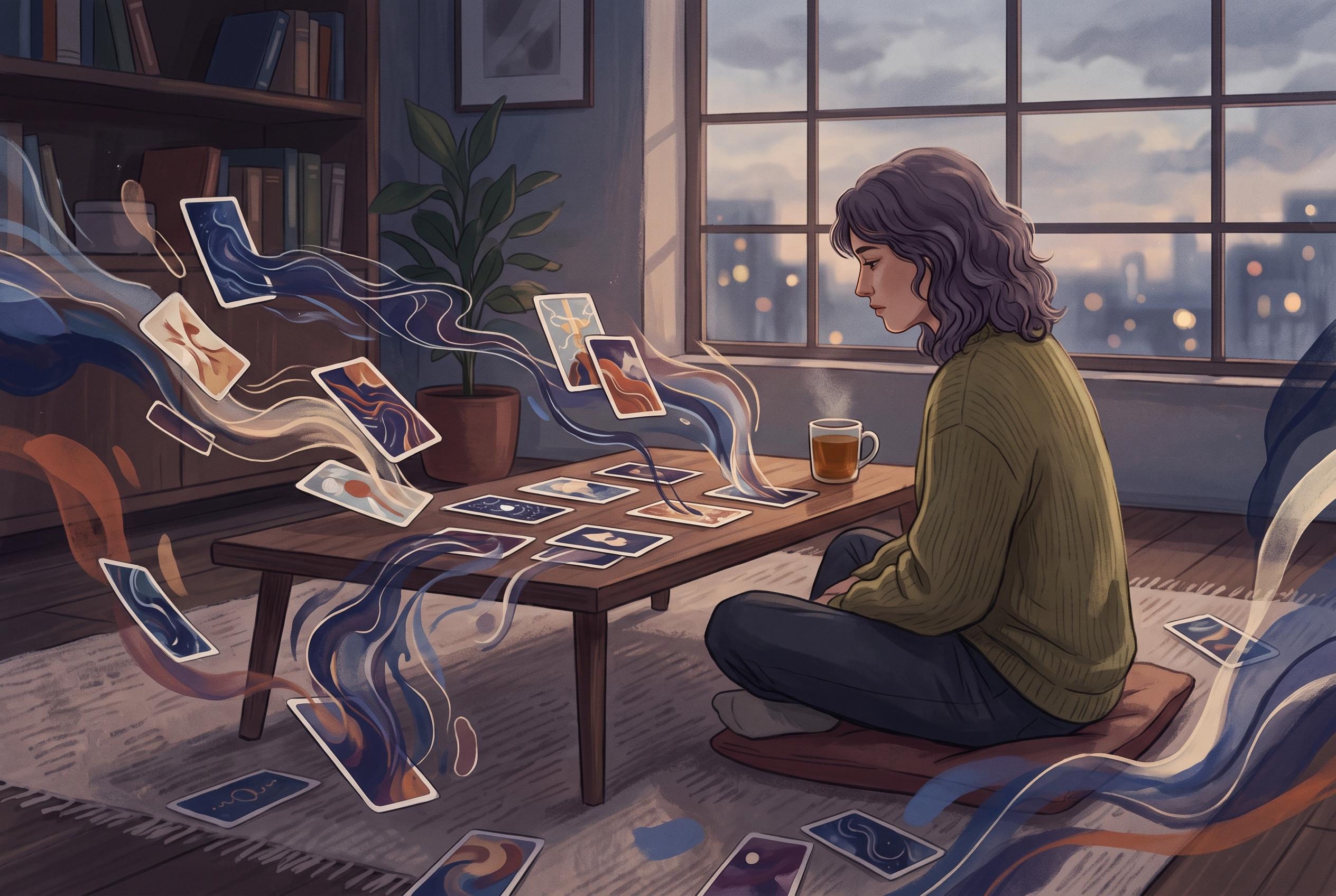

As tarot experiences a cultural resurgence, experts emphasise its role as a reflective tool rather than a source of certainty, highlighting its appeal amid global uncertainty and a desire for introspection.
Tarot may be having a moment, but the real appeal seems less about crystal-ball certainty and more about people looking for a way to pause, reflect and make sense of a messy world. The Substack essay that sparked this discussion argues that the current wave of celebrity decks, new creators and corporate-party readers is part of a wider cultural cycle, much like the earlier mainstreaming of astrology.
That idea fits with coverage in Vogue, which has linked tarot’s rise to a broader fascination with oracle decks, witchcraft and self-inquiry among younger audiences. Gaia, meanwhile, has pointed to a notable jump in tarot’s popularity during the quarantine era, suggesting that periods of uncertainty often send people looking for symbolic tools that feel personal, portable and a bit magical.
The piece makes a strong case for treating tarot as a reflective practice rather than a shortcut to certainty. In that view, the cards work best as a kind of mirror: they can help surface thoughts, feelings and hesitations that are already there, rather than magically replacing judgement or decision-making. That framing also echoes the “hall of mirrors” idea explored in a recent blog post from Parsifal’s Wheel Divination, which describes tarot as something that reflects the reader as much as the question.
There is also a practical warning tucked into the argument: tarot works better when people ask focused questions and engage with the reading seriously. The writer suggests that vague, half-hearted prompts tend to produce equally muddled results, while clear intention can make a session feel more useful. Put simply, tarot is presented as a tool for attention, not an all-purpose answer machine.
Perhaps the most grounded point is the least mystical one. Tarot, as the essay puts it, is not a substitute for life, responsibility or human judgement. It can be comforting, clarifying and even fun, but its value depends on how it is used. For readers drawn to the trend, that may be the healthiest takeaway: enjoy the symbolism, keep the scepticism switched on, and let the cards spark thought rather than close it down.
Disclaimer: This content is intended for informational purposes only. Readers are advised to exercise their own judgement, conduct due diligence, or consult a qualified expert before acting on any information provided.