

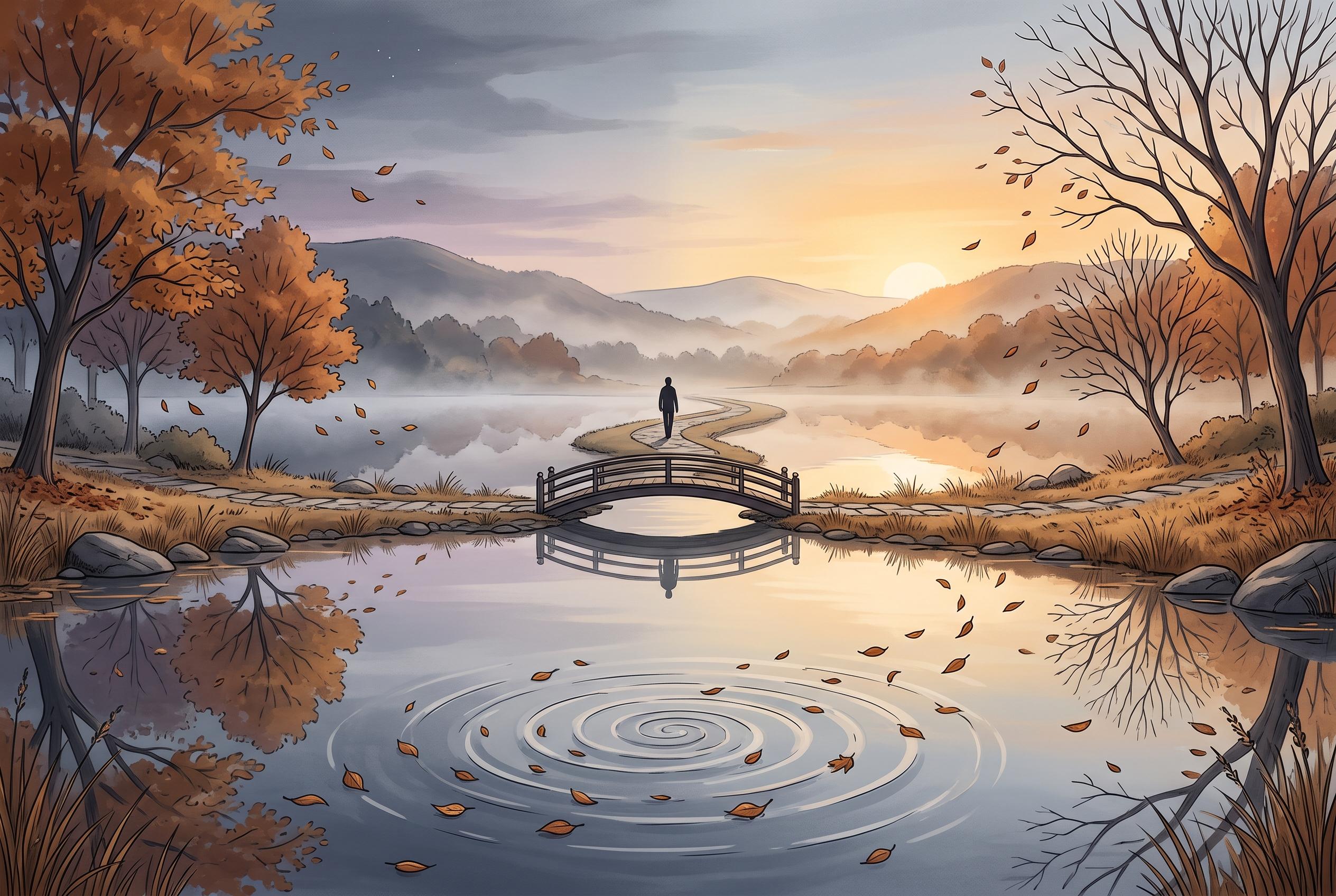

As the 2026 autumn equinox arrives on 23 September, experts highlight the season’s practical and cultural significance, urging gentle transitions, balanced lifestyles, and mindful preparations for the changing days.
Autumn is about to tip into a new rhythm, and the autumn equinox is the season’s neat little marker. According to Taiwanese folk expert Yang Deng-ke, 2026’s equinox arrives on 23 September at 8:06am, when the Sun appears to cross the celestial equator and daylight and darkness are roughly balanced. That balance is only approximate, though: astronomers note that refraction in the atmosphere and the way sunrise and sunset are measured mean the day is rarely exactly 12 hours long.
For many people, the bigger shift is practical rather than poetic. After the equinox, the Northern Hemisphere steadily moves towards shorter days, cooler temperatures and sharper differences between morning and afternoon conditions. That is why Yang advises people to start dressing in layers, keeping a light jacket handy for early and late hours, and avoiding a cold draught while sleeping. He also suggests protecting the abdomen and knees, which tend to feel the change of season first.
The seasonal advice does not stop at clothing. Traditional wellness thinking linked to the equinox leans towards gentler, more hydrating foods, with sesame, honey, walnuts, lotus root, apples, grapes, pears, lily bulbs and white fungus all on the menu. Crabs are also a classic autumn treat, but Yang cautions against overdoing it, especially for anyone with existing health concerns. The broader point is simple enough: enjoy the season, but keep portions and personal limits in mind.
Yang also singled out people born in the Year of the Rabbit, Snake, Rooster and Ox, saying the half-month after the equinox may be a time to avoid overworking themselves. In traditional folk reading, that can mean a higher chance of tension, poor sleep or small health niggles if the schedule gets too packed. His advice is not alarmist: build in rest, move the body a little, and slow down before stress turns into exhaustion.
That softer pace fits the season nicely. As Japanese calendar guides note, the autumn equinox is also observed as a day of balance and reflection, with cultural traditions in some places tied to remembrance and family visits. In other words, it is less about chasing perfection and more about noticing the shift: drink enough water, sleep properly, layer up, and let autumn arrive at its own pace.
Disclaimer: This content is intended for informational purposes only. Readers are advised to exercise their own judgement, conduct due diligence, or consult a qualified expert before acting on any information provided.