

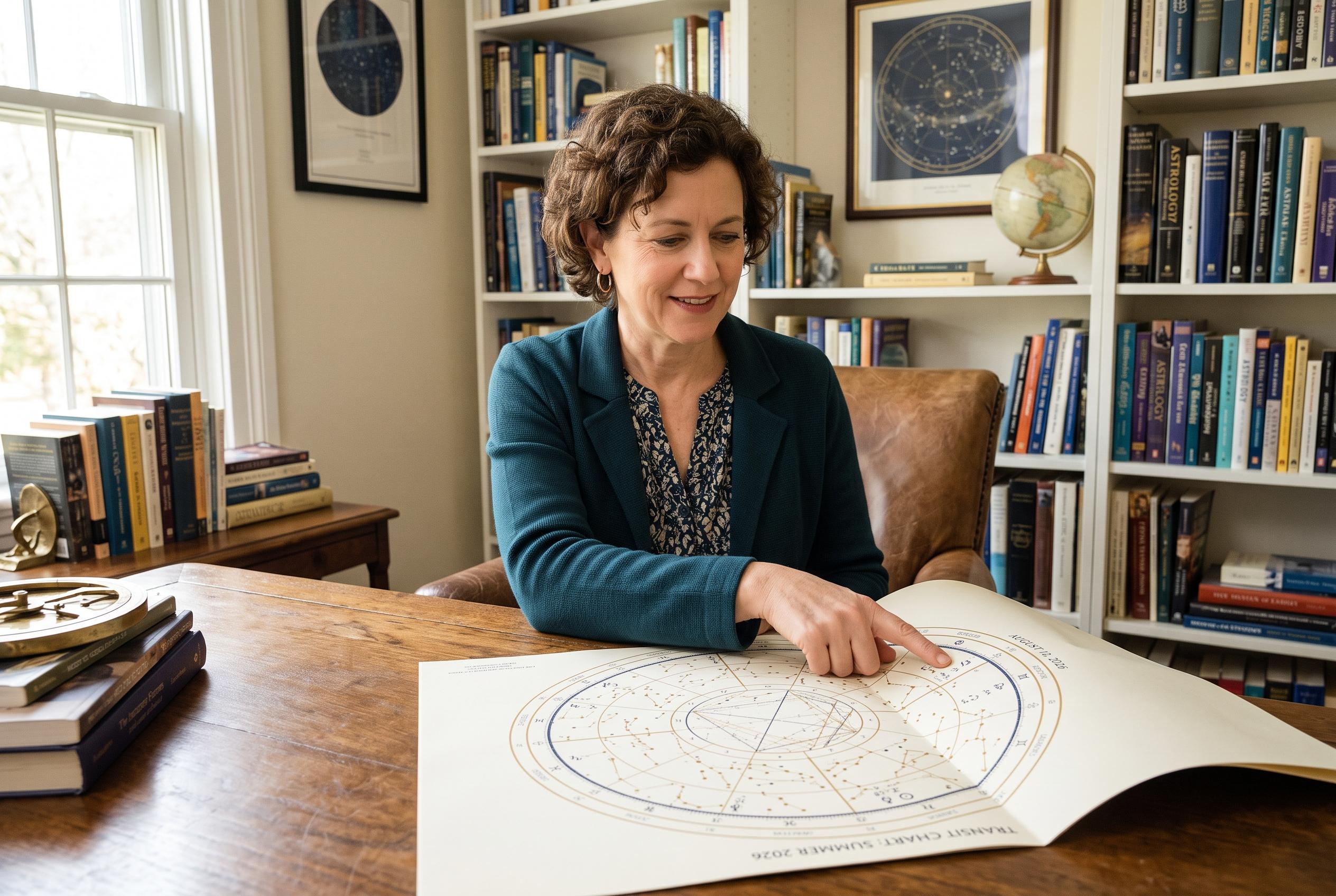

The 12 August 2026 solar eclipse will not be visible in India, but astrologers highlight its significance for Cancer natives and traditional practices, while Europe and the Arctic could witness an annular eclipse.
A solar eclipse is due on 12 August 2026, and the practical takeaway for people in India is simple: it will not be visible there, so Sutak Kaal will not apply. The Economic Times says the event falls on August 12 and will be seen in parts of Europe and the Arctic, while India will miss the show altogether.
The timing reported in Indian media places the eclipse at 9:04 pm IST, with the maximum phase around 11:16 pm and the event ending at 1:27 am on 13 August. Even so, visibility is the key point, and because the eclipse will not be seen from India, ordinary routines there are expected to continue as usual. Reports from the Economic Times also describe it as an annular eclipse, with partial views possible in countries such as Finland, France, Germany and Italy.
That is where the astrology angle kicks in. Aaj Tak says the eclipse is set to occur in Cancer, with the Sun and Moon in the same sign, and also notes a wider planetary gathering there with Jupiter. In traditional Hindu practice, eclipses that are visible in a place are often treated as a time to avoid पूजा, weddings, मुंडन and other auspicious work, while prayer, mantra chanting and quiet reflection are considered more suitable. Boldsky similarly frames eclipse time as a moment for fasting, meditation and charity.
For Cancer natives in particular, Aaj Tak quotes astrologer Shailendra Pandey as advising caution with major choices for roughly 30 days after August 12, especially around property purchases or large investments. That is an astrological reading rather than a scientific forecast, of course, but for readers who like to track these moments, the broader theme is clear: this eclipse is less about drama in India and more about watching, waiting and keeping things steady where the sky-watchers can actually see it.
Disclaimer: This content is intended for informational purposes only. Readers are advised to exercise their own judgement, conduct due diligence, or consult a qualified expert before acting on any information provided.