

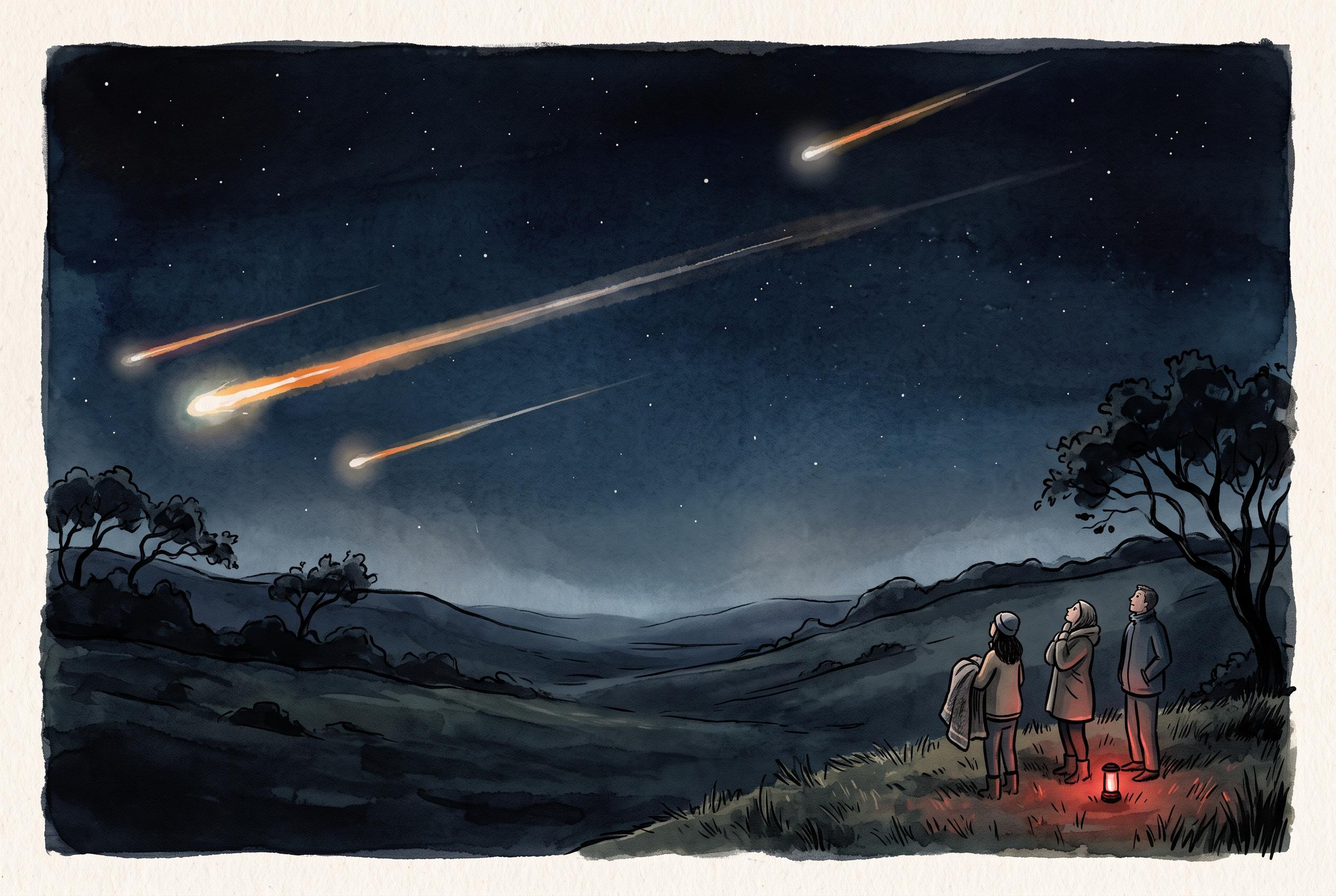

Skywatchers are invited to catch the Southern Taurids, a subtle yet spectacular meteor shower peaking on 13-14 October and 4-5 November. With bright fireballs and longer-lasting trails, this celestial display rewards patience in dark skies with enjoyable sights amid favourable lunar conditions.
The Southern Taurids are back, and for skywatchers that usually means one thing: patience can pay off with a few slow, glowing streaks and the occasional show-stopping fireball. Live Science reports that the shower runs through 20 November, with its best viewing expected on the nights of 13-14 October and 4-5 November, when conditions should be especially friendly for anyone hoping to catch the display.
Unlike the big-name showers that can deliver a flood of meteors, the Southern Taurids are more of a subtle spectacle. According to the American Meteor Society, they are not especially prolific, with only around five to ten meteors an hour at their best, but they are famous for bright fireballs that can hang in the sky long enough to make a proper impression. NASA says the shower comes from debris shed by Comet 2P/Encke, and the particles strike Earth at a relatively leisurely 27 kilometres per second, which helps explain the slow, drawn-out look of the meteors.
That slower speed is part of the appeal. As the meteors burn through the atmosphere, they tend to leave longer-lasting trails than many other showers, which is why the Taurids often feel more dramatic than the raw numbers suggest. The shower’s radiant sits in Taurus, but the flashes can appear anywhere overhead, so you do not need to stare in one fixed direction to have a decent chance of spotting one. The Northern Taurids, from the same broader debris stream, usually follow later in the season.
This year’s timing should give observers a decent chance as well. Live Science notes that the mid-October peak falls under a moonless sky, while the early-November peak arrives with the Moon only about 18% illuminated, both of which improve visibility. The best advice is the simplest: find a dark, open place away from city lights, give your eyes time to adjust, and look up with no equipment at all. In other words, this is one of those astronomical events where comfort, darkness and a little patience may matter more than perfect timing.
Disclaimer: This content is intended for informational purposes only. Readers are advised to exercise their own judgement, conduct due diligence, or consult a qualified expert before acting on any information provided.