

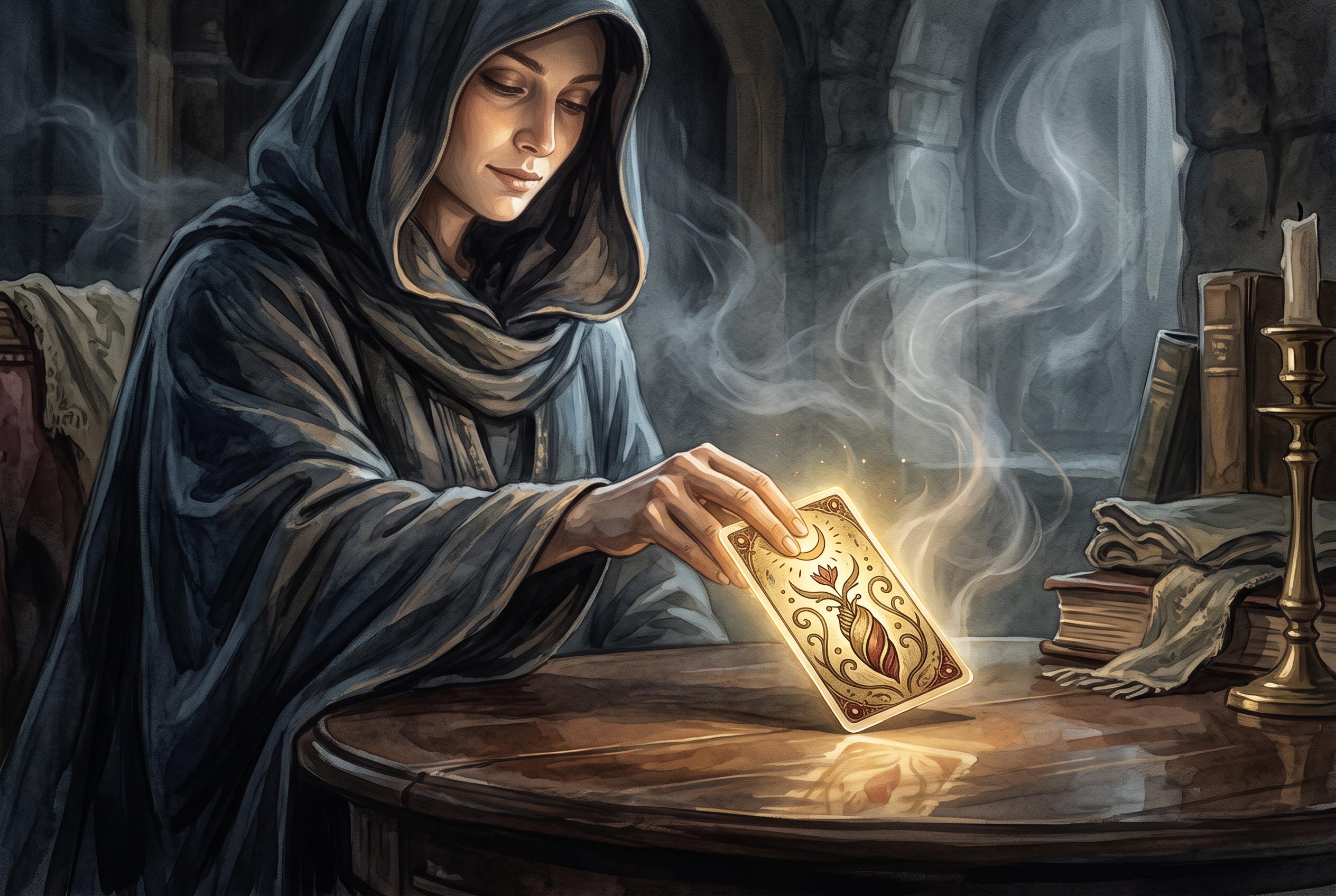

Tarot cards like Death, The Tower, and The Moon often evoke fear, but experts reveal they signal transformation, exposure, and the need for patience rather than disaster, offering a new perspective on interpreting challenging readings.
Tarot readers often know the feeling: a difficult card lands on the table and the room seems to tense up. Death, The Tower, The Devil, The Moon, and the more painful Swords cards have a habit of arriving with a bit of drama attached, yet the real skill lies in resisting the reflex to panic. According to Chhavi Tarot, those cards are not automatic warnings of disaster; they are signals that something in the reading needs to be faced honestly and handled with care.
Death is a good example of how quickly fear can distort meaning. Tarot.com describes it as a card of transformation and the end of a major phase, while Astrology.com says it points to one chapter closing so another can begin. Read that way, it is less about ruin than release: the old form has done its job, and clinging to it only slows the next stage. In a love spread, that might mean a relationship pattern is ending; in a career reading, it may suggest a role, identity, or direction is ready to shift.
The Tower carries a similar reputation, but the point is usually not destruction for its own sake. Astrology.com, Tarot.com, and Arcana Explained all frame it as sudden upheaval that exposes what was shaky to begin with. That makes it a card of exposure as much as collapse. If something falls apart under The Tower, the implication is often that it was already unstable, and the shock simply makes the truth impossible to ignore.
The Devil and The Moon work in a quieter but no less challenging way. Chhavi Tarot treats The Devil as a card of attachment, control, and recurring patterns rather than moral failure, which is a useful shift in perspective. The Moon, meanwhile, points to uncertainty, hidden factors, fear, or emotional fog, but not every foggy reading means deception. Sometimes the confusion is in the situation; sometimes it is in the reader’s own anxiety. Either way, these cards ask for patience rather than instant conclusions.
The Swords suit can also rattle readers because it often brings mental pressure, conflict, or painful truth into view. But that is precisely why it matters. Three of Swords, Nine of Swords, and Ten of Swords can mark heartbreak, stress, exhaustion, or the end of a difficult cycle, yet they also insist on clarity. As Chhavi Tarot notes, a difficult card in the advice position is not a threat; it is a prompt to face, release, pause, or rethink. In other words, the card is not there to frighten you. It is there to make the reading useful.
Disclaimer: This content is intended for informational purposes only. Readers are advised to exercise their own judgement, conduct due diligence, or consult a qualified expert before acting on any information provided.