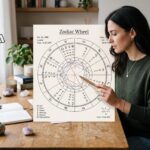



A new perspective on karma suggests that lessons in life are not punitive but opportunities for growth through love, connection, and conscious choices, offering a more gentle and hopeful approach to transformation.
Karma is often treated like a bill coming due, but this piece takes a softer view: a karmic lesson is not a penalty, but an experience that meets us when we are ready to learn from it. Sometimes that learning is bruising, especially when life brings loss, endings or relationships that unsettle us, yet the message here is that not every lesson has to arrive through hardship.
The more hopeful thread running through the article is that growth can come through gentler channels too. Love, connection, creativity, forgiveness and even the simple permission to receive are framed as karmic lessons in their own right. In other words, healing is not a detour from the spiritual path; it can be the path itself.
Free will is presented as a major part of the picture. Rather than being swept along by fate alone, the article suggests we can help shape how our lessons show up, choosing more conscious, less painful routes where possible. That idea is then reflected through the Major Arcana, which the piece uses as a symbolic map of different kinds of karmic experience.
The Fool, for instance, stands for trust and the willingness to begin before everything is neatly worked out. The Magician points to personal agency and the resources already at hand. The High Priestess calls for inner listening, while the Empress offers a reminder that pleasure, abundance and nurture do not have to be earned through suffering. The Tower and Death cards, meanwhile, are described as images of necessary upheaval and release, not punishment, but clearing space for something truer. The Star closes that arc with themes of hope, renewal and healing after disruption.
The article also pushes back against the idea that pain should be romanticised. It acknowledges that life can be unfair and that some experiences hurt without explanation, while still leaving room for the belief that we can ask for gentler lessons. That is the emotional centre of the piece: a quiet argument that transformation does not always need to be dramatic to be profound.
Disclaimer: This content is intended for informational purposes only. Readers are advised to exercise their own judgement, conduct due diligence, or consult a qualified expert before acting on any information provided.